
Tax sale recoveries can be among the most profitable opportunities in the surplus funds industry, but they are also among the most legally complex. State laws vary widely, procedural deadlines are unforgiving, and a single missed step can cost you thousands in expenses with nothing to show for it. The 2023 Tyler decision impact changed how surplus rights are interpreted across the country, prompting agents and small firm operators to rethink their entire approach. This guide walks you through real examples of tax sale recoveries, the strategies that work, and the contract protections that keep your business safe.
Table of Contents
- Understanding tax sale recoveries: New rules and key steps
- Real-world examples of tax sale surplus recoveries
- How agents maximize recoveries: Proven strategies and contract tips
- Overcoming advanced challenges: Liens, heirs, and unclaimed funds
- A smarter path for recovery agents: What most miss about tax sale surplus claims
- Get expert support for your next tax sale recovery
- Frequently asked questions
Key Takeaways
| Point | Details |
|---|---|
| Laws are changing fast | Recent court decisions and new state statutes have created more opportunities for surplus fund recovery, but agents must track local updates closely. |
| Real cases yield real profits | Successful claims, like the $24,200 Michigan surplus, show that know-how directly affects recovery outcomes. |
| Contract details matter | Protect yourself with strong clauses to address redemptions and reimbursement for time and expenses. |
| Complex claims require expertise | Heirs, multiple liens, and unclaimed funds involve specialized steps and tight deadlines. |
Understanding tax sale recoveries: New rules and key steps
With the stakes established, let's break down how updated laws and processes affect your approach to tax sale recoveries.
The Tyler v. Hennepin County (2023) ruling was a turning point. The U.S. Supreme Court held that local governments cannot retain surplus proceeds from a tax sale beyond what is owed in taxes, fees, and penalties. That ruling triggered a wave of legislative reviews in states that had previously allowed counties to keep the excess. For agents, this means more recoverable funds are now legally accessible, but it also means updated state laws are still catching up, and the rules differ significantly from one jurisdiction to the next.
Understanding the basic steps of a tax sale recovery is essential before you file a single claim. Here is what the process typically involves:
- Obtain the surplus list from the county treasurer, clerk, or court after the tax sale closes
- Verify the surplus amount against the outstanding debt, recorded liens, and any government fees
- Identify and locate the former owner or rightful claimant using skip tracing tools
- Collect required documents, including proof of ownership, government-issued ID, and any lien releases
- File the claim with the appropriate court or county office within the statutory deadline
- Attend any scheduled hearings if competing claims or disputes arise
- Receive disbursement once the court or clerk approves the claim
Post-Tyler, several states have shortened or clarified their claim windows. Some jurisdictions that previously gave owners three years to file have moved to 12 or 18 months. Agents who relied on older timelines have been caught off guard. Checking current local statutes before opening a case is not optional; it is the foundation of a viable claim.
Pro Tip: Set up a legal monitoring system for each state you work in. Court decisions, legislative sessions, and administrative rule changes can all affect your claim window and filing requirements. A quarterly review of state statutes takes less time than losing a case you should have won.
Real-world examples of tax sale surplus recoveries
With the basic steps outlined, let's turn to real cases to see how recoveries work in practice and what makes a successful claim.
One of the most cited cases in surplus recovery history is the Michigan surplus case involving Rafaeli v. Oakland County. A property was sold at tax sale to satisfy a debt of just $285. The final sale price was $24,500. The surplus from tax sale was approximately 85 times the debt owed, and the Michigan Supreme Court ruled the owner was entitled to that excess. This case became a blueprint for surplus recovery advocates across the country and helped clarify that property owners retain a constitutional right to the overage.
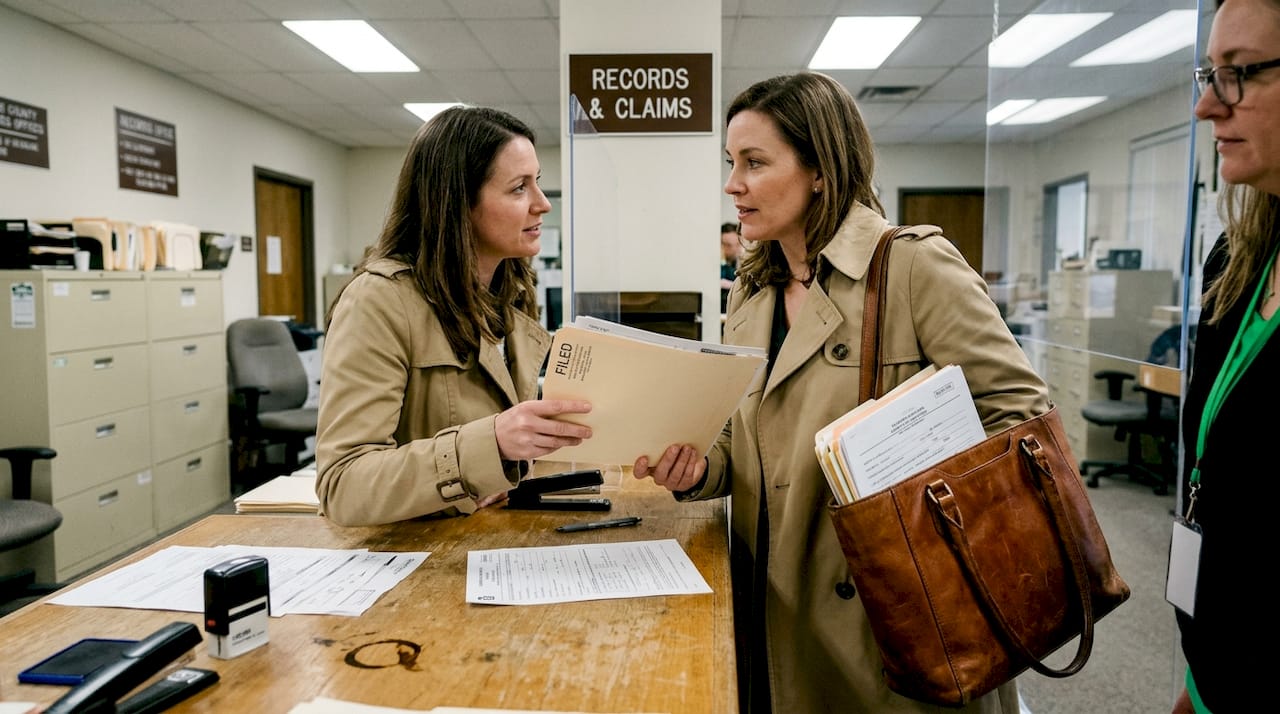
In large New York auctions, the process is more layered. Claims must navigate competing liens, and surplus funds are tracked through county-maintained databases. Agents working in New York need to account for court filing requirements and the possibility of multiple parties asserting rights to the same pool of funds.
Here is a summary of how these two scenarios compare:
| Case detail | Michigan (Rafaeli) | New York (large auction) |
|---|---|---|
| Debt owed | $285 | Varies by case |
| Sale price | $24,500 | Often $50,000 to $500,000+ |
| Surplus amount | ~$24,200 | Varies; often $10,000 to $200,000 |
| Primary challenge | State law clarity | Competing liens and court filings |
| Process | State court ruling | County database and court petition |
| Key lesson | Surplus can be 85x the debt | Lien order determines who gets paid |
What these cases share is a clear lesson: the size of the surplus does not guarantee a clean recovery. In several documented instances, surpluses exceeded 80 times the original debt, yet claimants still lost funds to procedural errors or missed deadlines. Knowing the legal backdrop of each state and preparing documentation early are what separate successful claims from failed ones.
- Verify lien status before contacting the former owner
- Check for federal tax liens, which take priority over most other claims
- Confirm the claim window has not already expired
- Document all client communications in writing from day one
How agents maximize recoveries: Proven strategies and contract tips
Building on these real examples, agents can learn from common obstacles and proven strategies that maximize both recovery amounts and contract security.
The path from identifying a surplus to collecting your fee involves more moving parts than most new agents expect. Here is a numbered framework that experienced operators rely on:
- Pull the surplus list from the county as soon as it is available, ideally within days of the tax sale closing
- Run a title search to identify all recorded liens, judgments, and encumbrances before investing time in a case
- Use skip tracing tools to locate the former owner or their heirs with verified contact information
- Conduct a complex scenario analysis to estimate net recovery after liens and fees
- Onboard the client with a signed contingency agreement that spells out your fee percentage and scope of work
- File the claim with all required documents, following the exact format required by the county or court
- Track the case through disbursement and confirm funds are distributed correctly
Contract design is where many agents lose money they should have kept. Agents often spend $800 to $2,000 per case in skip tracing, document preparation, and filing costs. If the former owner redeems the property before the sale is finalized, those expenses can disappear without any recovery.
"Redemption risks can erase $1,000 or more in expenses without proper contract protection."
Pro Tip: Add a 72-hour redemption notice clause to your client agreement. This requires the county or the owner to notify you before a redemption is processed, giving you time to assess whether your expenses can be recovered. Pair this with a reimbursement clause that covers documented costs if the case is canceled after a certain milestone.
Other strategies that protect your margins include using transparent fee percentages (typically 30 to 40 percent of the recovered surplus), limiting the number of open cases to what your team can manage well, and keeping clients informed at each stage to reduce disputes at disbursement.
Overcoming advanced challenges: Liens, heirs, and unclaimed funds
While basic recoveries are straightforward, advanced scenarios require precise navigation of liens, probate, and statutory deadlines.
When multiple parties have claims on a surplus, lien priority is strictly enforced and the order of payment follows a clear hierarchy. Property taxes and government fees are paid first. Junior lienholders, such as second mortgage holders or judgment creditors, are paid next in order of recording date. The former owner or their heirs receive whatever remains.
Here is how different claim scenarios compare:
| Scenario | Key challenge | Documents needed | Typical timeline |
|---|---|---|---|
| Straight owner claim | Locating the owner | ID, deed, claim form | 30 to 90 days |
| Multiple liens | Lien priority disputes | Title search, lien releases | 60 to 180 days |
| Probate involved | Heir verification | Letters testamentary, death certificate | 6 to 18 months |
| Federal lien present | IRS priority rights | IRS lien release or subordination | 90 to 365 days |
For cases involving deceased owners, heirs and estates need probate to establish legal standing before any claim can be filed. This adds time and cost, but it also creates an opportunity for agents who can guide families through the process.
Document requirements for complex cases typically include:
- Death certificate and probate letters for estate claims
- Affidavits of heirship when no will exists
- Lien release letters from all junior creditors
- Title search report from a licensed title company
- Co-owner consent forms when multiple parties share ownership
Unclaimed surplus funds do not wait forever. Most states have escheatment laws that transfer unclaimed funds to the state after a set period, often three to five years. A title search requirement before filing is the single best way to catch these issues early and avoid working a case that has already been closed out.
A smarter path for recovery agents: What most miss about tax sale surplus claims
Given these advanced scenarios, let's step back and consider why so many agents leave money and peace of mind on the table.
The agents who consistently earn more are not always the ones chasing the largest surpluses. Chasing a $200,000 surplus with unresolved federal liens and a probate dispute can cost more in time and expenses than closing five clean $20,000 cases. The real profit in this industry comes from risk-adjusted decisions, not headline numbers.
Most agents underinvest in two areas: contract design and legislative tracking. A contract that does not address redemption, expense reimbursement, and fee disputes will eventually cost you a significant case. And staying ahead of law changes is not a one-time task. States are still responding to Tyler, and new rules are being enacted regularly.
The agents who build sustainable businesses treat their process as a living system. A dynamic checklist that gets updated when state rules change will always outperform a static playbook written two years ago. Build flexibility into your workflow from the start, and you will spend less time reacting to surprises.
Get expert support for your next tax sale recovery
With these insights in hand, consider how dedicated support and proven workflows can take your surplus recoveries to the next level.
TENNO RECOVERY solutions are built specifically for agents and small firm operators who need to move faster, stay compliant, and manage more cases without adding headcount. The platform gives you access to a shared lead pool with crowd-sourced intelligence, a 50-state compliance engine, AI-powered document extraction, and county-specific filing packet generation.

Whether you are handling a straightforward owner claim or navigating a probate-involved multi-lien case, our process overview shows you exactly how TENNO supports each stage of the recovery pipeline. Ready to scale your operation? Become an agent and start working smarter on every claim.
Frequently asked questions
What are surplus funds in a tax sale?
Surplus funds are the extra money left after a tax sale covers the outstanding debt, fees, and recorded liens. NY surplus claim processes involve court filings and county databases to distribute these funds to rightful claimants.
How do I claim surplus funds from a tax sale?
File a claim with the county court or clerk, provide proof of ownership and a valid ID, and meet all local deadlines. The recovery process steps include document submission, possible hearings, and disbursement once approved.
What happens if there are competing claims on surplus funds?
Junior mortgages, judgments, and federal liens are paid in priority order before the former owner receives any remaining funds. Lien priority strictly enforced means a title search before filing is essential to understanding what you are actually working with.
What if the owner is deceased?
Heirs must open probate and establish legal standing before any surplus claim can move forward. Heirs and estates need probate to recover funds, which adds time but does not eliminate the recovery opportunity.
How do I find out if surplus funds are available?
Check county databases or surplus lists published after each tax sale, or work with a recovery agent who monitors these sources regularly. NY counties maintain surplus databases with public access, though rules and availability vary widely by jurisdiction.